King Charles III Ends Royal Train Tradition in Cost-Cutting Move
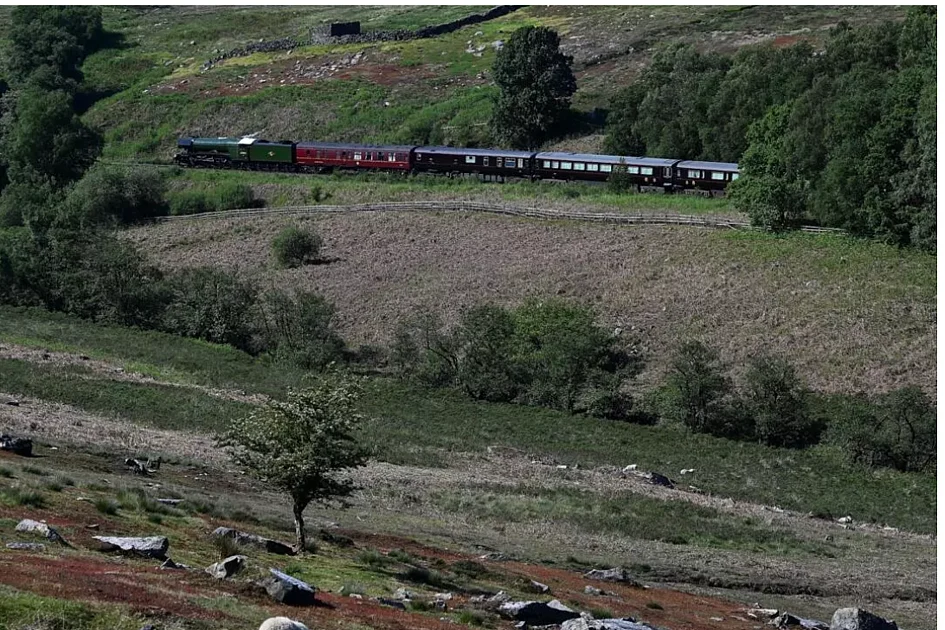
In a significant shift from tradition, King Charles III has announced the decommissioning of the royal train, marking the end of over 180 years of royal rail travel. This decision, part of broader cost-cutting and modernization efforts within the royal household, reflects the monarchy's adaptation to contemporary financial and logistical realities. The royal train, a symbol of the British monarchy's long-standing relationship with the railway, will cease operations next year, with the royal family transitioning to helicopter travel for their official duties.
The royal train's history dates back to Queen Victoria's first rail journey in 1842, a moment that heralded a new era of royal mobility. Over the decades, the train evolved, with successive monarchs adding personal touches and modern amenities, from King Edward VII's yacht-inspired design to King George V's installation of the first train bath during World War I. The current iteration, upgraded in 1977 for Queen Elizabeth II's Silver Jubilee, has served the royal family faithfully, embodying both tradition and innovation.
James Chalmers, the Keeper of the Privy Purse, emphasized the decision's fiscal prudence, stating the need for the royal household to apply 'fiscal discipline' and be 'forward-looking in our allocation of funding.' The move comes as the Sovereign Grant, which funds royal duties and palace upkeep, remains steady at £86.3 million for the financial year ending in March 2025. The royal train's retirement is a poignant moment for the monarchy, symbolizing both an end and a new beginning.
As the royal train prepares for its final journey, the royal family looks to the future, embracing modern modes of transportation that align with today's demands. This transition, while marking the end of an era, also underscores the monarchy's enduring ability to evolve with the times. The fond memories and historical significance of the royal train will undoubtedly remain a cherished part of Britain's royal heritage.