King Charles has joined forces with Oscar-winning actress Cate Blanchett in a previously unpublicized podcast recording focused on global conservation efforts. The 22-minute episode, titled "Unearthed: The Need For Seeds," was recorded in the private gardens of Windsor Castle in July and features the monarch alongside Blanchett and Kew seed scientist Dr. Elinor Breman. This marks only the second podcast recording in the King's public life, demonstrating his continued commitment to environmental causes that have defined much of his royal work.
The conversation centered on the Millennium Seed Bank at Wakehurst, West Sussex, which King Charles originally opened in 2000 and has maintained an active interest in since. The facility represents one of the world's most ambitious conservation projects, having collected, cleaned, dried and stored nearly 2.5 billion seeds from more than 40,000 plant species in walk-in freezers maintained at minus 20 degrees Celsius. Both the King and Blanchett, who became Wakehurst's first ambassador last year, emphasized the critical importance of this work in preserving global biodiversity.
During the discussion, Blanchett expressed concern about the rapid loss of natural habitats, noting that "97 percent of wildflower meadows have been decimated" in recent decades. She highlighted the disconnect between perceived natural beauty and actual ecological fragility, stating that "there is an urgency to the work that the seed bank does." The King echoed this sentiment, reflecting on his long-standing awareness of environmental degradation, particularly the damage to flower-rich meadows since the postwar period.
The podcast also touched on broader conservation challenges, including the need for increased funding and public awareness. Blanchett pointed to the frustration of seeing "so many extraordinary initiatives right there ready to be scaled up" but lacking financial support and direction. King Charles acknowledged both the progress made and the need to accelerate conservation efforts, stating that while the seed bank's work is "wonderful," the process must speed up to address escalating environmental threats facing plant species worldwide.

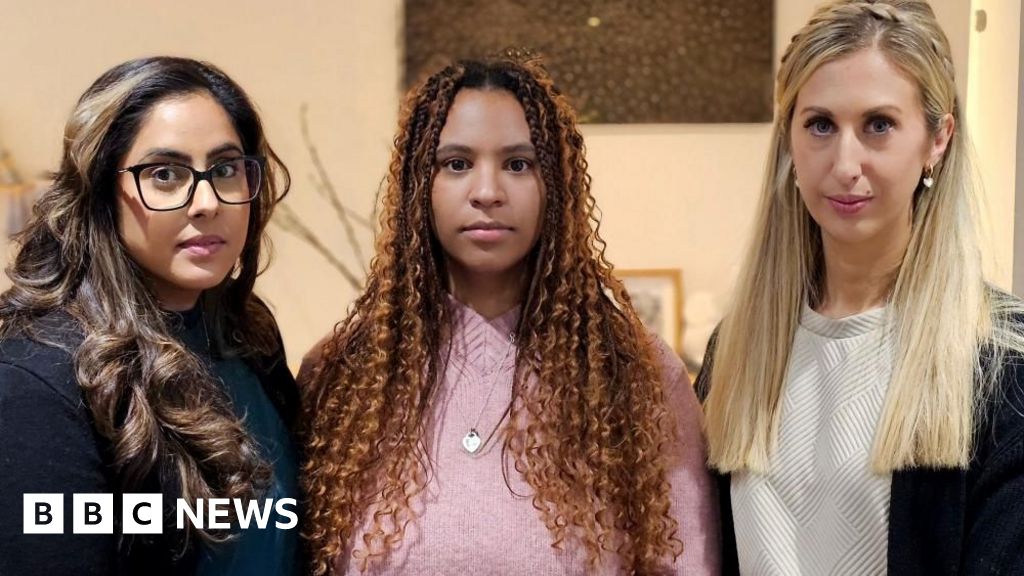
Health Secretary Wes Streeting has announced an urgent independent inquiry into maternity services at Leeds Teaching Hospitals NHS Trust, describing himself as "shocked" by families' experiences of "repeated maternity failures in Leeds - made worse by the unacceptable response of the trust." The decision comes after years of campaigning by bereaved families who reported feeling "gaslit, dismissed and even blamed" for what went wrong at one of Europe's largest teaching hospitals. Mr. Streeting emphasized the "stark contradiction between scale and safety standards" at the trust, which official data shows "remains an outlier on perinatal mortality."
The inquiry follows a June downgrade by the Care Quality Commission, which rated maternity services at the trust as "inadequate" and identified serious risks to women and babies. Inspectors highlighted a deep-rooted "blame culture" that made staff reluctant to raise concerns about incidents. Brendan Brown, chief executive of LTH NHS Trust, apologized to bereaved families and expressed hope that the inquiry would provide them with "answers." He stated the trust is "determined to do better" and is already taking significant steps to improve maternity and neonatal services following reviews by regulatory bodies.
Families affected by the failures have welcomed the inquiry but are calling for rigorous leadership, specifically requesting that midwife Donna Ockenden chair the investigation. Fiona Winser-Ramm, whose daughter Aliona died in 2020 after an inquest found multiple failures, emphasized the importance of ensuring the inquiry is "the best and most thorough that it can possibly be." She described how families have been "thrust into this life that none of us should be living," noting that their shared grief should never have brought them together under such circumstances.
Serious questions are now being raised about what Sir Julian Hartley, who led the trust for ten years until 2023 and now heads the Care Quality Commission, knew about the poor maternity care. In a statement, Sir Julian expressed being "truly sorry" for families' suffering and said that while he was "absolutely committed to ensuring good patient care across all services, including maternity," this commitment "wasn't enough to prevent some families suffering pain and loss." Lauren Caulfield, whose daughter Grace died in 2022, called it "completely unacceptable that nothing has been done to date" to examine Sir Julian's role, expressing hope that the inquiry will address this gap.