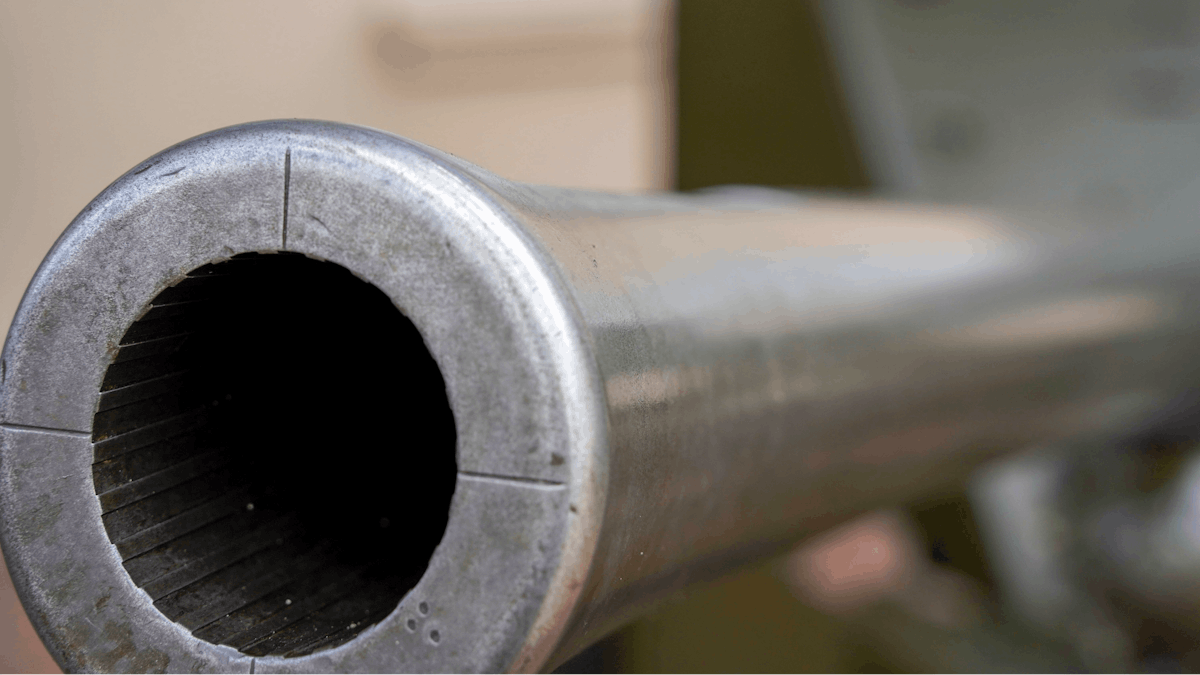
Rheinmetall has officially announced Telford, Shropshire, as the location for its new large caliber barrel production facility, a move that marks a significant step in re-establishing sovereign defense manufacturing in the UK. This development is part of the Trinity House Agreement with the UK Ministry of Defense (MoD), aiming to enhance the British Army's modernization and NATO's collective readiness. The facility, set to commence production by 2027, will enable the UK to manufacture large-caliber barrels domestically for the first time in over a decade.
The investment is expected to inject more than £400 million into the UK economy over the next decade, creating over 400 jobs directly and indirectly through the supply chain. Rheinmetall has already placed orders for essential manufacturing equipment, signaling its commitment to meeting the project's timeline. The use of British steel and advanced manufacturing techniques at the new facility will ensure the production of barrel systems for both UK and allied military platforms.
Armin Papperger, CEO and chairman of Rheinmetall Germany, emphasized the significance of the investment, stating it is a statement of intent to place the UK at the forefront of global defense manufacturing. The initiative is a cornerstone of Rheinmetall UK's broader strategy to expand its industrial footprint, including the expansion of the Telford facility for Boxer armored vehicle and Challenger 3 tank production, alongside the development of Rheinmetall House in Bristol.
Local MP Mark Pritchard hailed the announcement as fantastic news for Shropshire, highlighting the benefits for local suppliers, employment, and skills development. The project not only supports the British Army's goal to triple its warfighting power by 2030 but also strengthens the UK's defense industrial base, ensuring readiness for modern conflicts and contributing to the nation's economic growth.
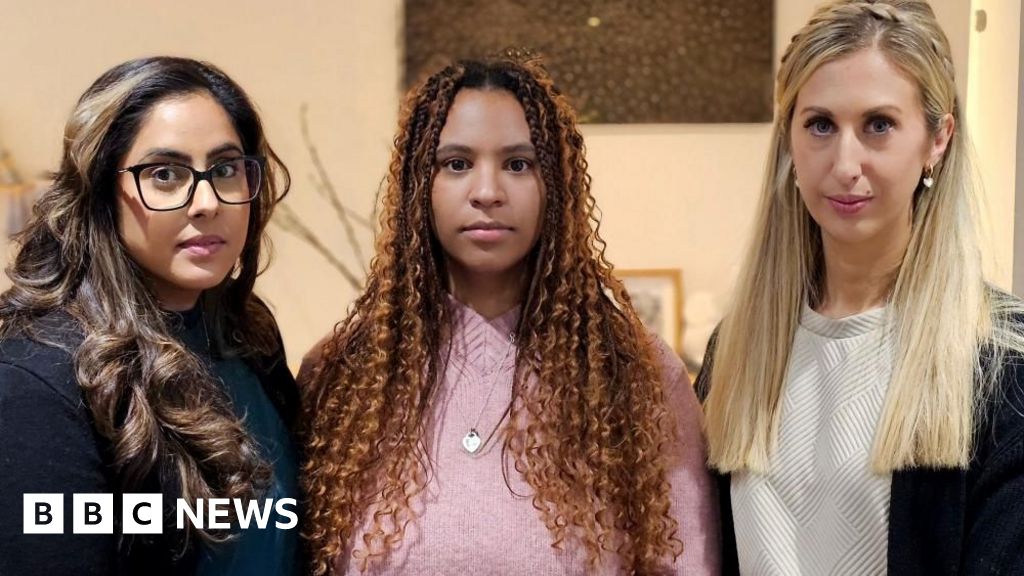
Health Secretary Wes Streeting has announced an urgent independent inquiry into maternity services at Leeds Teaching Hospitals NHS Trust, describing himself as "shocked" by families' experiences of "repeated maternity failures in Leeds - made worse by the unacceptable response of the trust." The decision comes after years of campaigning by bereaved families who reported feeling "gaslit, dismissed and even blamed" for what went wrong at one of Europe's largest teaching hospitals. Mr. Streeting emphasized the "stark contradiction between scale and safety standards" at the trust, which official data shows "remains an outlier on perinatal mortality."
The inquiry follows a June downgrade by the Care Quality Commission, which rated maternity services at the trust as "inadequate" and identified serious risks to women and babies. Inspectors highlighted a deep-rooted "blame culture" that made staff reluctant to raise concerns about incidents. Brendan Brown, chief executive of LTH NHS Trust, apologized to bereaved families and expressed hope that the inquiry would provide them with "answers." He stated the trust is "determined to do better" and is already taking significant steps to improve maternity and neonatal services following reviews by regulatory bodies.
Families affected by the failures have welcomed the inquiry but are calling for rigorous leadership, specifically requesting that midwife Donna Ockenden chair the investigation. Fiona Winser-Ramm, whose daughter Aliona died in 2020 after an inquest found multiple failures, emphasized the importance of ensuring the inquiry is "the best and most thorough that it can possibly be." She described how families have been "thrust into this life that none of us should be living," noting that their shared grief should never have brought them together under such circumstances.
Serious questions are now being raised about what Sir Julian Hartley, who led the trust for ten years until 2023 and now heads the Care Quality Commission, knew about the poor maternity care. In a statement, Sir Julian expressed being "truly sorry" for families' suffering and said that while he was "absolutely committed to ensuring good patient care across all services, including maternity," this commitment "wasn't enough to prevent some families suffering pain and loss." Lauren Caulfield, whose daughter Grace died in 2022, called it "completely unacceptable that nothing has been done to date" to examine Sir Julian's role, expressing hope that the inquiry will address this gap.