Alex Mahon Announces Departure from Channel 4 After Transformative Tenure
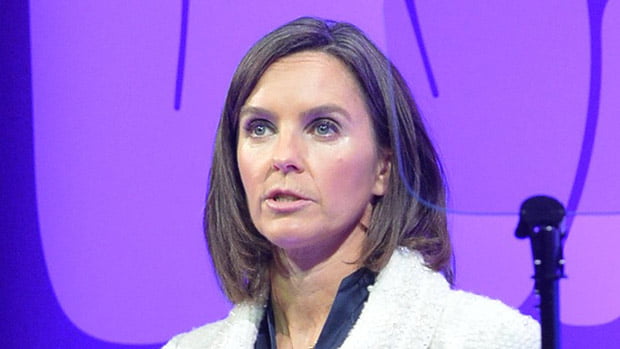
Alex Mahon, the first female CEO of Channel 4, has announced her decision to step down from her role this summer, marking the end of a nearly eight-year tenure that saw the UK public broadcaster navigate through significant challenges and transformations. Under her leadership, Channel 4 successfully resisted two privatization attempts, transitioned into a digital-first public service streamer, and expanded its operations across the UK, all while maintaining its commitment to innovation and diversity in programming.
Mahon's departure comes at a time when Channel 4 is looking to build on its digital growth and continue its mission to represent and reflect the diversity of the UK. Her leadership was instrumental in the broadcaster's digital transformation, which included the creation of one of the largest social media brands in the UK and the delivery of market-leading digital growth. Channel 4's programming under Mahon's guidance, including critically acclaimed shows and films, has left an indelible mark on the UK's cultural landscape.
The search for Mahon's successor is underway, with Chief Operating Officer Jonathan Allan stepping in as interim CEO. The board is committed to ensuring that the next leader will uphold Channel 4's legacy of creativity, risk-taking, and public service. Mahon's tenure has set a high bar, with her efforts to champion fairness in the workplace, support for women's health and disability representation, and her unwavering commitment to challenging conventions and changing conversations.
As Channel 4 prepares to turn the page, the broadcaster's achievements under Alex Mahon's leadership serve as a testament to her vision and dedication. From landmark programming to digital innovation and a steadfast commitment to public service, Mahon's legacy will undoubtedly influence the future direction of Channel 4 and the broader UK media landscape.