Jet2, the London-listed leisure travel group, has announced a significant £250 million share buyback program following a robust fiscal performance. The company expects to report a profit before foreign exchange revaluation and taxation of between £565.0 million and £570.0 million for the year ended 31 March, marking a 9% increase from the previous year. This move underscores Jet2's confidence in its sustainable cash-generative business model and strong balance sheet, which boasts total cash of £3.2 billion and an 'Own Cash' balance of £1.1 billion at the end of FY25.
The share buyback initiative is set to enhance earnings per share by cancelling the repurchased shares, a strategy that has been well-received by the market. Peel Hunt analysts described the buyback as 'very positive,' highlighting the company's robust financial health. Jet2's decision reflects a broader trend among corporations with strong cash positions to return value to shareholders, albeit in a manner that favors institutional investors over private ones, especially those investing through tax-free wrappers like ISAs.
Looking forward, Jet2 is optimistic about its growth prospects, with 'on sale capacity' for summer 2025 currently 8.3% higher than the previous year, totaling 18.6 million seats. This expansion is partly attributed to the company's new bases at Bournemouth and London Luton airports, which contribute approximately 4% of the growth. Despite the positive outlook, Jet2 acknowledges the challenges posed by limited visibility and a trend towards later booking profiles in the travel sector.
The announcement has had a palpable impact on Jet2's stock, with shares climbing nearly 15% following the release of its trading statement. Analysts from RBC and Peel Hunt have lauded the company's strong return on invested capital and attractive valuation, suggesting that Jet2's integrated model and customer experience position it well for continued growth and value creation in the competitive leisure travel market.
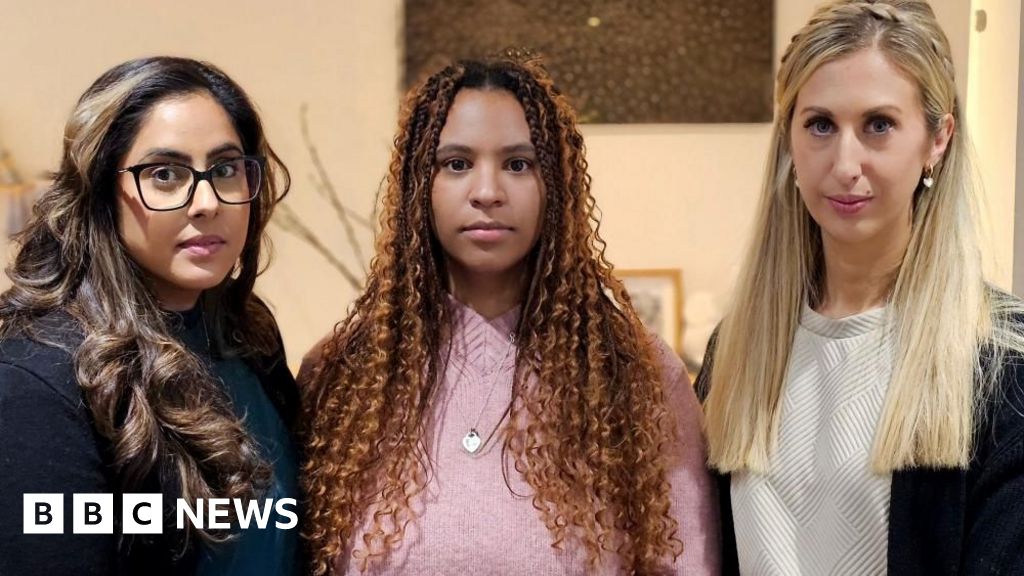
Health Secretary Wes Streeting has announced an urgent independent inquiry into maternity services at Leeds Teaching Hospitals NHS Trust, describing himself as "shocked" by families' experiences of "repeated maternity failures in Leeds - made worse by the unacceptable response of the trust." The decision comes after years of campaigning by bereaved families who reported feeling "gaslit, dismissed and even blamed" for what went wrong at one of Europe's largest teaching hospitals. Mr. Streeting emphasized the "stark contradiction between scale and safety standards" at the trust, which official data shows "remains an outlier on perinatal mortality."
The inquiry follows a June downgrade by the Care Quality Commission, which rated maternity services at the trust as "inadequate" and identified serious risks to women and babies. Inspectors highlighted a deep-rooted "blame culture" that made staff reluctant to raise concerns about incidents. Brendan Brown, chief executive of LTH NHS Trust, apologized to bereaved families and expressed hope that the inquiry would provide them with "answers." He stated the trust is "determined to do better" and is already taking significant steps to improve maternity and neonatal services following reviews by regulatory bodies.
Families affected by the failures have welcomed the inquiry but are calling for rigorous leadership, specifically requesting that midwife Donna Ockenden chair the investigation. Fiona Winser-Ramm, whose daughter Aliona died in 2020 after an inquest found multiple failures, emphasized the importance of ensuring the inquiry is "the best and most thorough that it can possibly be." She described how families have been "thrust into this life that none of us should be living," noting that their shared grief should never have brought them together under such circumstances.
Serious questions are now being raised about what Sir Julian Hartley, who led the trust for ten years until 2023 and now heads the Care Quality Commission, knew about the poor maternity care. In a statement, Sir Julian expressed being "truly sorry" for families' suffering and said that while he was "absolutely committed to ensuring good patient care across all services, including maternity," this commitment "wasn't enough to prevent some families suffering pain and loss." Lauren Caulfield, whose daughter Grace died in 2022, called it "completely unacceptable that nothing has been done to date" to examine Sir Julian's role, expressing hope that the inquiry will address this gap.