London's Oxford Street Car-Free Trial Marks Start of Revitalization Push
22-09-2025


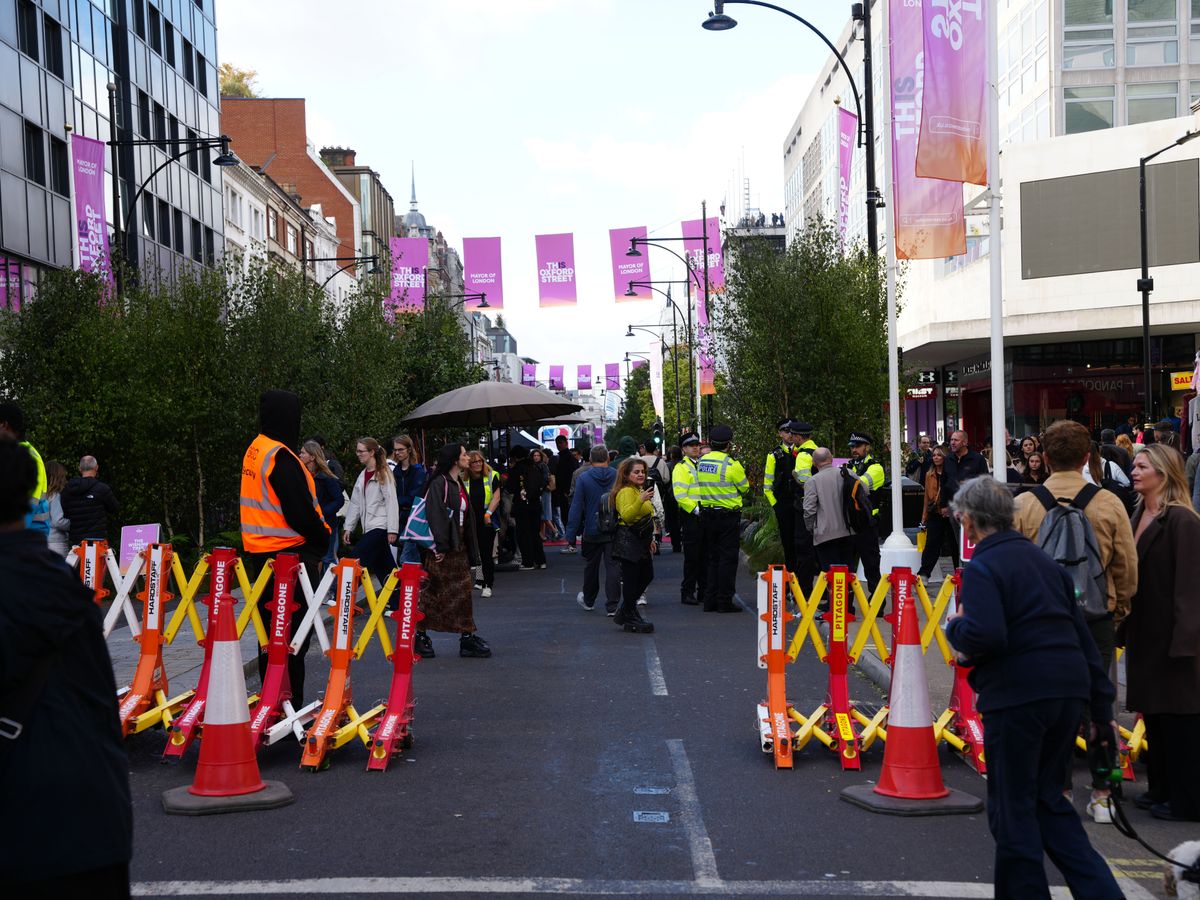
London's Oxford Street underwent a transformative experiment over the weekend as vehicles were prohibited from accessing a half-mile stretch between Oxford Circus and Orchard Street for an eight-hour period. The Sunday trial, branded "This Is Oxford Street," provided the first concrete glimpse of Mayor Sadiq Khan's vision to pedestrianize the iconic shopping destination. The event featured live music, pop-up installations, and retail activations that temporarily replaced the usual traffic flow.

Mayor Khan characterized the trial as a watershed moment, telling reporters that Sunday "will go down in history as the day the fight back began to rescue this street." He acknowledged that Oxford Street had experienced "managed decline" in recent years, citing the rise of online shopping, competition from out-of-town centers, and the pandemic's lasting impact. The mayor emphasized that pedestrianization represents a strategic response to these challenges, aimed at increasing footfall and consumer spending.

The one-day closure serves as a precursor to more ambitious plans that would permanently ban vehicles from a 0.7-mile stretch between Oxford Circus and Marble Arch, with potential extensions toward Tottenham Court Road. Detailed proposals for traffic management under the pedestrianization scheme will undergo public consultation later this year. The initiative forms part of a broader £90 million investment package designed to revitalize the area and restore what Khan describes as the street's "previous glory."

While the mayor expressed confidence in the plan's benefits, he acknowledged concerns from a "minority of residents" regarding potential congestion and accessibility issues. Khan confirmed that authorities have conducted consultations with local stakeholders and will continue working with residents, retailers, and landowners to address these challenges. The weekend's successful trial demonstrates growing momentum behind efforts to reimagine one of London's most famous thoroughfares as a pedestrian-friendly public space.

Other news

Monarch and Actress Unite for Biodiversity in Wakehurst Seed Bank Discussion

{'$date': '2025-10-20T11:47:12.545Z'}


King Charles has joined forces with Oscar-winning actress Cate Blanchett in a previously unpublicized podcast recording focused on global conservation efforts. The 22-minute episode, titled "Unearthed: The Need For Seeds," was recorded in the private gardens of Windsor Castle in July and features the monarch alongside Blanchett and Kew seed scientist Dr. Elinor Breman. This marks only the second podcast recording in the King's public life, demonstrating his continued commitment to environmental causes that have defined much of his royal work.

The conversation centered on the Millennium Seed Bank at Wakehurst, West Sussex, which King Charles originally opened in 2000 and has maintained an active interest in since. The facility represents one of the world's most ambitious conservation projects, having collected, cleaned, dried and stored nearly 2.5 billion seeds from more than 40,000 plant species in walk-in freezers maintained at minus 20 degrees Celsius. Both the King and Blanchett, who became Wakehurst's first ambassador last year, emphasized the critical importance of this work in preserving global biodiversity.

During the discussion, Blanchett expressed concern about the rapid loss of natural habitats, noting that "97 percent of wildflower meadows have been decimated" in recent decades. She highlighted the disconnect between perceived natural beauty and actual ecological fragility, stating that "there is an urgency to the work that the seed bank does." The King echoed this sentiment, reflecting on his long-standing awareness of environmental degradation, particularly the damage to flower-rich meadows since the postwar period.

The podcast also touched on broader conservation challenges, including the need for increased funding and public awareness. Blanchett pointed to the frustration of seeing "so many extraordinary initiatives right there ready to be scaled up" but lacking financial support and direction. King Charles acknowledged both the progress made and the need to accelerate conservation efforts, stating that while the seed bank's work is "wonderful," the process must speed up to address escalating environmental threats facing plant species worldwide.