Energy Secretary Ed Miliband has announced the Labour government's plan to introduce legislation that would permanently ban fracking across the United Kingdom. The announcement, made during Miliband's speech at the Labour Party conference in Liverpool, represents a significant escalation from the current moratorium that has been in place since 2019. The proposed law would enshrine the prohibition in statute, making it substantially more difficult for future governments to reverse the policy.
Fracking, formally known as hydraulic fracturing, involves drilling deep into the earth and injecting a high-pressure mixture of water, sand, and chemicals to fracture shale rock and release natural gas. The practice has proven controversial in Britain due to concerns about seismic activity, with the Oil and Gas Authority concluding in 2019 that accurately predicting earthquake risks was not possible. The temporary ban was briefly lifted under Prime Minister Liz Truss in 2022 but was quickly reinstated by her successor, Rishi Sunak.
The Labour government's move sets up a direct confrontation with Reform UK, which has championed the revival of fracking as part of its energy platform. Miliband stated the legislation would be introduced "at the earliest opportunity" as part of the North Sea transition plan scheduled for publication this autumn. The energy secretary emphasized that the ban would protect the 187 constituencies situated above shale gas areas from potential drilling operations.
Environmental campaigners have welcomed the announcement, with Veronica Hawking, campaigns director at 38 Degrees, calling it "an amazing result for our environment, our local communities, and the thousands of committed people and groups right across the country who've spent years fighting for fracking to be banned for good." The legislation would require any future government seeking to reverse the ban to secure parliamentary approval, a politically challenging task given the widespread opposition to fracking in affected constituencies.
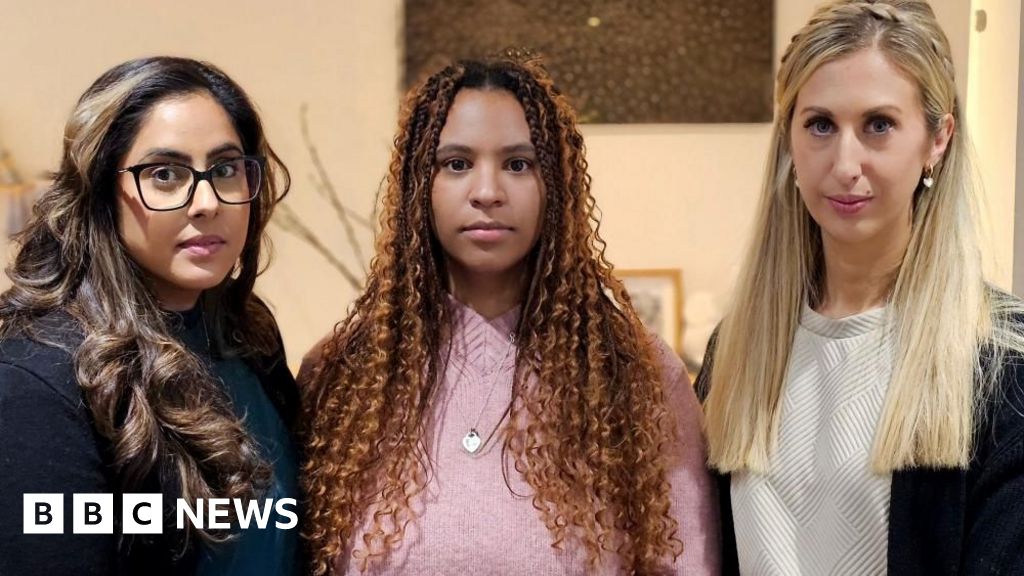
Health Secretary Wes Streeting has announced an urgent independent inquiry into maternity services at Leeds Teaching Hospitals NHS Trust, describing himself as "shocked" by families' experiences of "repeated maternity failures in Leeds - made worse by the unacceptable response of the trust." The decision comes after years of campaigning by bereaved families who reported feeling "gaslit, dismissed and even blamed" for what went wrong at one of Europe's largest teaching hospitals. Mr. Streeting emphasized the "stark contradiction between scale and safety standards" at the trust, which official data shows "remains an outlier on perinatal mortality."
The inquiry follows a June downgrade by the Care Quality Commission, which rated maternity services at the trust as "inadequate" and identified serious risks to women and babies. Inspectors highlighted a deep-rooted "blame culture" that made staff reluctant to raise concerns about incidents. Brendan Brown, chief executive of LTH NHS Trust, apologized to bereaved families and expressed hope that the inquiry would provide them with "answers." He stated the trust is "determined to do better" and is already taking significant steps to improve maternity and neonatal services following reviews by regulatory bodies.
Families affected by the failures have welcomed the inquiry but are calling for rigorous leadership, specifically requesting that midwife Donna Ockenden chair the investigation. Fiona Winser-Ramm, whose daughter Aliona died in 2020 after an inquest found multiple failures, emphasized the importance of ensuring the inquiry is "the best and most thorough that it can possibly be." She described how families have been "thrust into this life that none of us should be living," noting that their shared grief should never have brought them together under such circumstances.
Serious questions are now being raised about what Sir Julian Hartley, who led the trust for ten years until 2023 and now heads the Care Quality Commission, knew about the poor maternity care. In a statement, Sir Julian expressed being "truly sorry" for families' suffering and said that while he was "absolutely committed to ensuring good patient care across all services, including maternity," this commitment "wasn't enough to prevent some families suffering pain and loss." Lauren Caulfield, whose daughter Grace died in 2022, called it "completely unacceptable that nothing has been done to date" to examine Sir Julian's role, expressing hope that the inquiry will address this gap.