
A 34-year-old mother of five died after being bitten by one of her dogs during a dispute over chicken nuggets, an inquest has heard. Michelle Hempstead of Southend-on-Sea was feeding her two dogs - a Pomeranian named Pom and a mastiff-rottweiler cross named Trigg - at her Essex flat on July 29, 2024, when the incident occurred. The larger dog, Trigg, bit Ms. Hempstead around her left armpit and upper arm while snapping at the smaller dog during the food dispute.
The bite severed an artery and vein, leading to traumatic blood loss that ultimately caused multiple organ failure. Ms. Hempstead was rushed to hospital following the incident but tragically passed away the next day at the Royal London Hospital. Bystanders had initially rushed to provide first aid after hearing her screams during the incident at her flat.
At the Essex Coroner's Court hearing in Chelmsford, Ms. Hempstead's partner Samuel West described the incident as an "absolute freak accident." He told the court that Ms. Hempstead had bought McDonald's food and "had a box of, I think, 20 nuggets" that she liked to throw in the air for the dogs. Mr. West explained that as Pom went to get a nugget, "Trigg's done this thing where he chomps his mouth" and accidentally caught Ms. Hempstead under the arm.
Senior coroner Lincoln Brookes noted the additional tragedy that Ms. Hempstead and her family had suffered another bereavement just weeks before when her daughter passed away. The coroner accepted evidence that both dogs were "quite well behaved" and described Trigg as "an otherwise gentle giant." Mr. West emphasized that Trigg "didn't have a bad bone in his body" and never showed aggression prior to the incident.
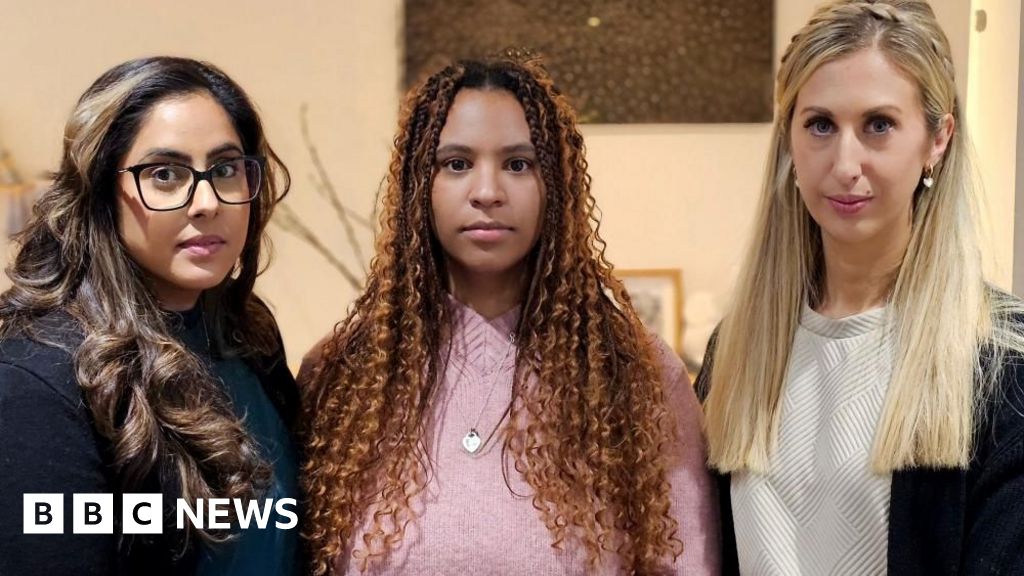
Health Secretary Wes Streeting has announced an urgent independent inquiry into maternity services at Leeds Teaching Hospitals NHS Trust, describing himself as "shocked" by families' experiences of "repeated maternity failures in Leeds - made worse by the unacceptable response of the trust." The decision comes after years of campaigning by bereaved families who reported feeling "gaslit, dismissed and even blamed" for what went wrong at one of Europe's largest teaching hospitals. Mr. Streeting emphasized the "stark contradiction between scale and safety standards" at the trust, which official data shows "remains an outlier on perinatal mortality."
The inquiry follows a June downgrade by the Care Quality Commission, which rated maternity services at the trust as "inadequate" and identified serious risks to women and babies. Inspectors highlighted a deep-rooted "blame culture" that made staff reluctant to raise concerns about incidents. Brendan Brown, chief executive of LTH NHS Trust, apologized to bereaved families and expressed hope that the inquiry would provide them with "answers." He stated the trust is "determined to do better" and is already taking significant steps to improve maternity and neonatal services following reviews by regulatory bodies.
Families affected by the failures have welcomed the inquiry but are calling for rigorous leadership, specifically requesting that midwife Donna Ockenden chair the investigation. Fiona Winser-Ramm, whose daughter Aliona died in 2020 after an inquest found multiple failures, emphasized the importance of ensuring the inquiry is "the best and most thorough that it can possibly be." She described how families have been "thrust into this life that none of us should be living," noting that their shared grief should never have brought them together under such circumstances.
Serious questions are now being raised about what Sir Julian Hartley, who led the trust for ten years until 2023 and now heads the Care Quality Commission, knew about the poor maternity care. In a statement, Sir Julian expressed being "truly sorry" for families' suffering and said that while he was "absolutely committed to ensuring good patient care across all services, including maternity," this commitment "wasn't enough to prevent some families suffering pain and loss." Lauren Caulfield, whose daughter Grace died in 2022, called it "completely unacceptable that nothing has been done to date" to examine Sir Julian's role, expressing hope that the inquiry will address this gap.